
Should You Stay or Downsize? Rethinking Your Home in Retirement
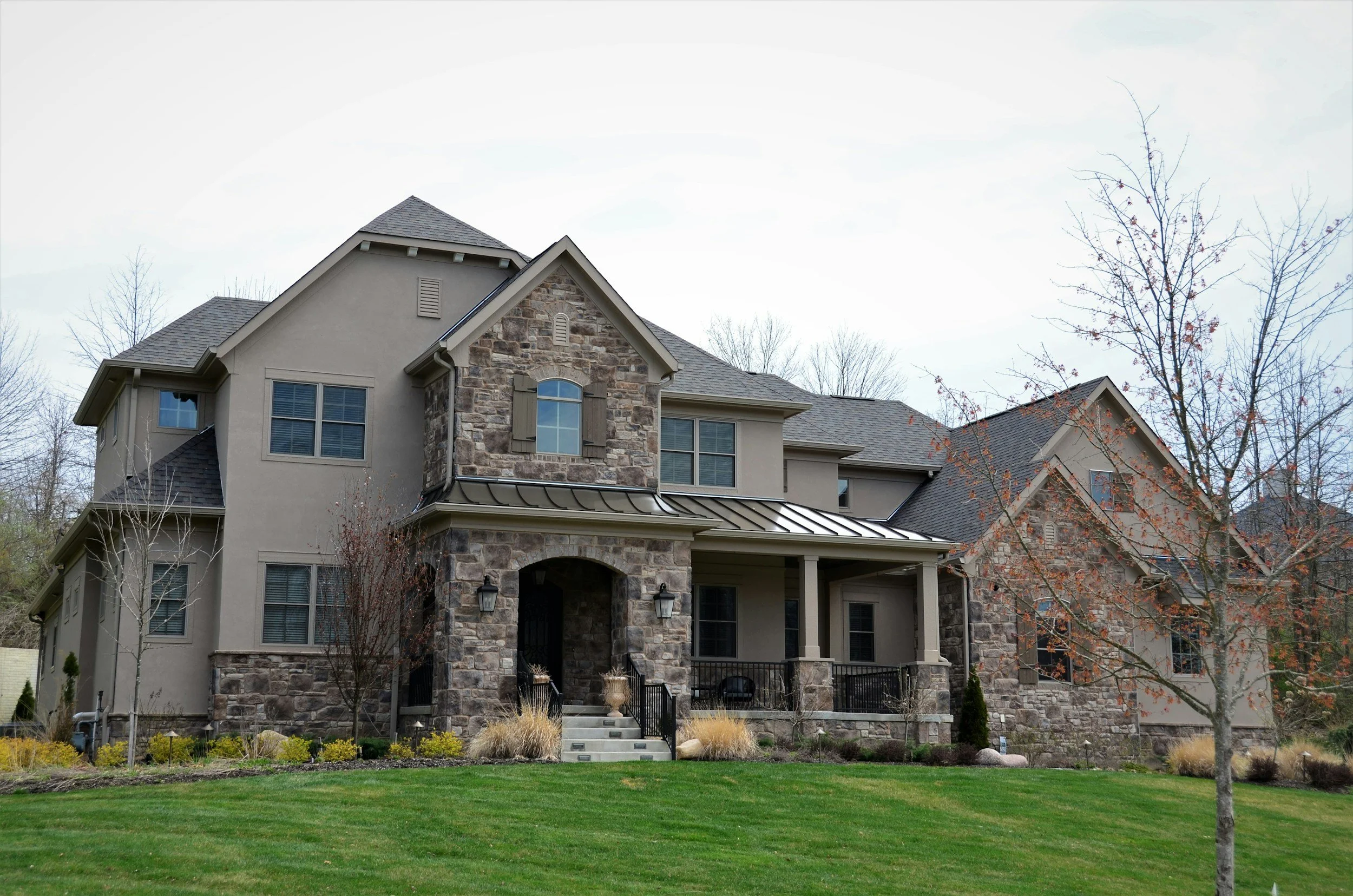
For many women, the question of where to live in retirement carries as much emotional weight as it does financial.
The family home holds history. It may be where your children grew up, where decades of holidays and ordinary Tuesdays happened without anyone thinking to mark them as significant. Leaving it can feel like more than a practical decision, even when the practical case for leaving is strong.
I want to walk through this honestly, because the way most people picture downsizing and the way it actually tends to play out are often two different things.
Will this home still work for you in fifteen years?
Before getting to the financial side, it's worth asking a question that's easy to put off: will this home still serve you as well in ten or fifteen years as it does today?
Stairs that are no trouble now may become a real obstacle later. A large yard that's a source of pride today may become a source of stress once the physical work of maintaining it feels like more than it used to. Proximity to family, to healthcare, to the people and places that matter most, can shift in importance as the years go on.
None of this means you need to act now. But it's worth thinking about your home the way you'd think about a financial asset with a shelf life, not just how it serves you today, but how well it's likely to serve you a decade from now.
What downsizing actually looks like
Here's a version of downsizing many women picture: sell the family home for something like $500,000, buy something smaller for $300,000, and put the difference toward retirement.
In my experience, that's rarely how it actually plays out.
More often, what I see is something closer to this: a woman sells her $500,000 home and buys a smaller but genuinely nicer property, often a townhouse or a condo, for something like $450,000. The square footage drops meaningfully. The price does not drop nearly as much as expected.
That doesn’t mean it’s not a positive shift—it's just a different kind of value than the one people initially picture.
Where the real savings show up
If the equity difference is often smaller than expected, where does downsizing actually pay off? It’s usually multiple subtle factors that add up meaningfully over the years that follow.
A smaller property typically comes with lower property taxes, lower insurance costs, and lower utility bills simply due to size. Many townhouses and condos include snow removal, lawn care, and exterior maintenance as part of an association fee, which converts a list of ongoing chores and repair bills into one predictable monthly cost.
There's also a cost that's easy to overlook because it hasn't happened yet: deferred maintenance. A roof, a furnace, a water heater. Every long-time homeowner has a mental list of things that will eventually need attention. Moving to a smaller, newer property often means handing that list to someone else, at a moment in life when a large, unexpected repair bill is more disruptive to a fixed income than it would have been during working years.
So the real financial case for downsizing is usually less about a lump sum of freed-up cash and more about a lower, steadier, more predictable set of ongoing costs, plus meaningfully less physical upkeep as you age.
If freeing up equity is the actual goal
If a specific amount of freed-up equity is part of your retirement income plan, it's worth pressure-testing that assumption honestly before you count on it. In many markets, moving from a larger home to a smaller but comparable one nearby doesn't free up as much as people initially assume, particularly if the goal is staying in a similar neighborhood or community.
Sometimes a meaningful equity release requires a bigger shift—a different city, a lower cost-of-living area, or a more significant reduction in space than initially planned. That tradeoff may allow for more discretionary spending like travel or experiences.
What staying actually offers
Staying isn't simply the default option, the thing you do if you don't act. It comes with real advantages that deserve the same honest look we just gave downsizing.
Selling and buying both carry costs that are easy to underweight until you're the one writing the checks: real estate commissions, closing costs, moving expenses, and often the cost of updating or furnishing a new place. Depending on how long you've owned your home, there may be tax considerations on the sale as well. None of that rules out downsizing — but it does raise the bar for how much equity actually needs to be freed up before the move pays for itself.
There's also a common assumption that staying means giving up access to your equity permanently. That isn't true. Some women might want to stay in their current homes for another 10 or 15 years and then downsize. If staying where you are permanently is important, but the math is tight, a home equity line of credit, or in some cases a reverse mortgage, can help financially without requiring you to leave a home, and a community, you'd rather keep.
Either way, the goal isn't to talk you out of staying because the math takes more work, or into downsizing because it's simpler on paper. The way I approach financial planning is not to tell my clients "no," but to look at the whole picture and find reasonable, workable solutions.
There's no universal answer here
Some women thrive staying exactly where they are, and the familiarity and community are worth more to them than any amount of freed-up cash or reduced maintenance. Others find that a smaller, simpler space brings a kind of relief they didn't expect, less to manage, less to worry about, more time and energy for the things retirement is actually for.
A few honest questions worth considering: What is this home giving you today, and what is it likely to cost you, financially and physically, ten years from now? If you did downsize, is the real goal freeing up cash, reducing upkeep, or both? And if it's meaningful equity you're after, does the math in your specific market actually support that, or does the version in your head need a second look?
Whatever you decide, the goal is to make a thoughtful, informed decision.
If you're thinking through decisions like this as part of a bigger retirement picture, I wrote the Confidence for Your Life Ahead guide specifically to help with exactly this kind of planning.
Download Confidence for Your Life Ahead: A Wealth Planning Guide for Navigating Retirement
Or if you'd like to talk through your specific situation, you're welcome to schedule a 15-minute intro call.